The power of patterns
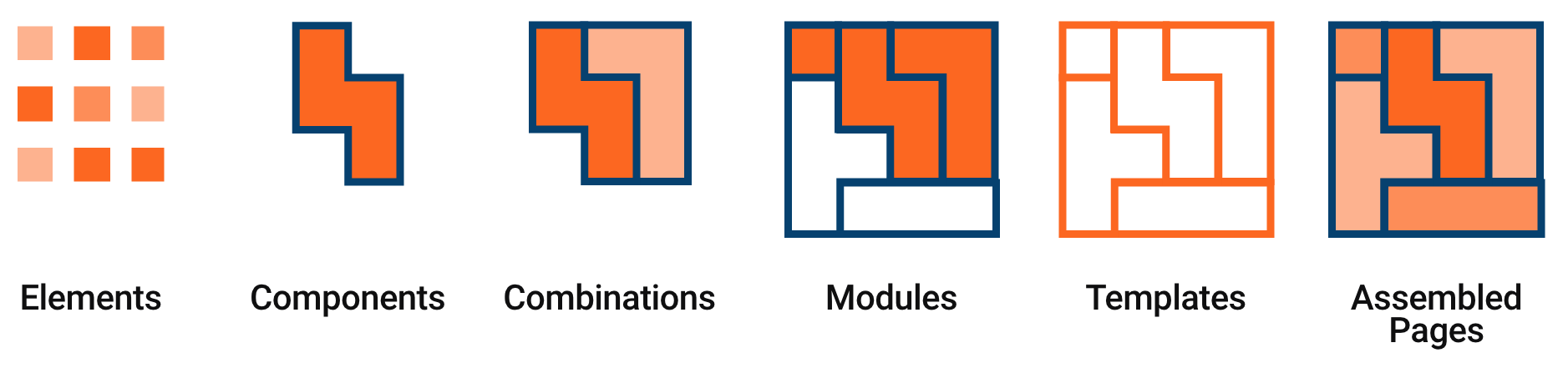
Systemic thinking reveals the patterns within the complexity. From particles to structures, from analysis to synthesis, seeing the interrelationships of components allows designers to establish scalable, cohesive systems that lead to flexible, extensible long-term solutions.
At Accent Technologies, an outdated and disjointed array of desktop products had eroded our competitive advantage in sales enablement. By leveraging the underlying interrelationships within our product matrix, we re-introduced webapps, native mobile apps, and Salesforce plugins that seamlessly aligned platform with process—crafting a scalable, cohesive ecosystem built for long-term flexibility and growth.
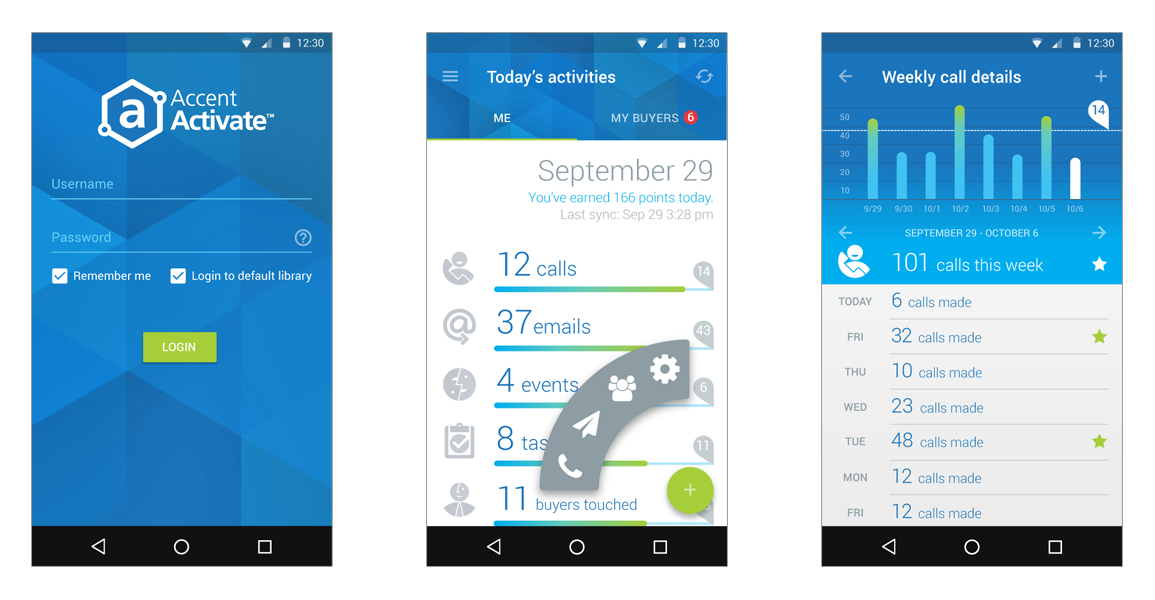
To see some of the work produced during the product reorganization, use the links below. These will open in a new browser tab.
Bridging development and design
Developers build and deploy reusable coded components the very same way designers create user interfaces: from the smallest parts—buttons, text inputs, icons—to progressively larger functional module and workflows. Understanding and leveraging this alignment fosters collaboration and ensures that design systems evolve sustainably and in sync.
Turning complexity into clarity
Systemic thinking seeks to organize complexity with the ultimate goal of simplifying the user experience. By taming the disorder of disconnected or isolated elements—on a screen or across a workflow–designers can create intuitive and predictable interactions that empower users to easily navigate even the most intricate systems.